Ravindra Jadeja Rewrites Rare Record After 16 Years
A Tactical Shift at Wankhede
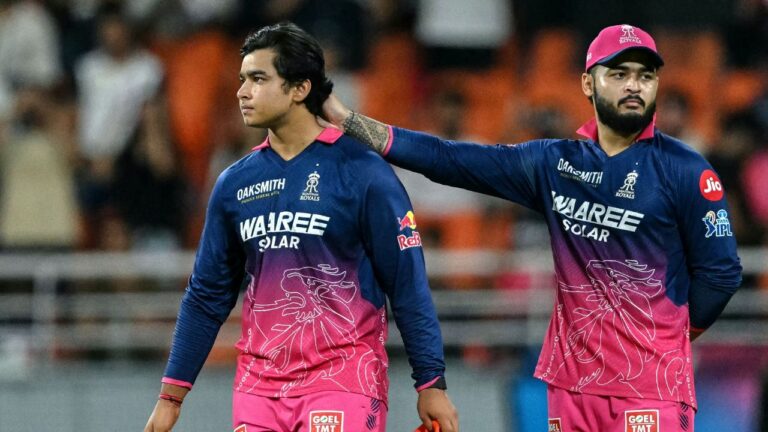
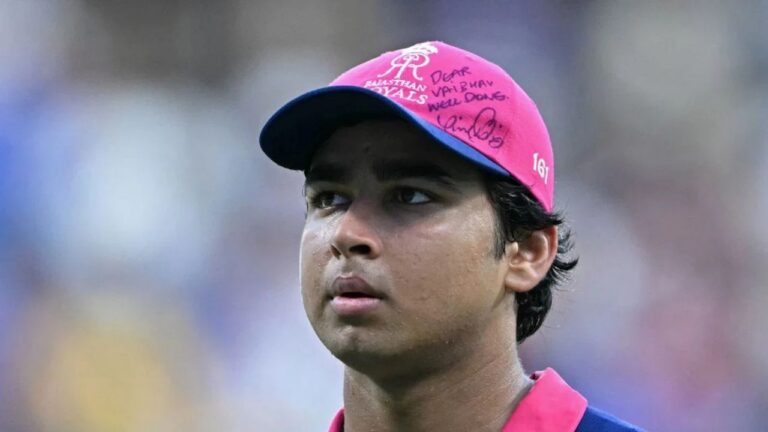
In the high-octane atmosphere of the IPL 2026, the Rajasthan Royals encountered a challenging scenario against the Mumbai Indians. Amidst the pressure of a top-order collapse, the team deployed a unique strategy that resulted in a statistical anomaly: Ravindra Jadeja Rewrites Rare Record After 16 Years. The veteran all-rounder, typically a fixture in the middle order, found himself walking out to the crease at the number nine position.
This specific batting position is exceptionally uncommon for a player of Jadeja’s caliber. Throughout his extensive T20 career, the left-hander has rarely been pushed so far down the order, underscoring the severity of the batting crisis the Royals faced during their innings. While the top order struggled to navigate the Mumbai Indians’ potent pace attack, the late-game strategy necessitated a reshuffling of the lineup.
The Weight of History: 2010 vs. 2026
To understand the magnitude of this event, one must look back nearly two decades. The only other instance in Jadeja’s career where he batted at number nine or lower occurred during the 2010 ICC T20 World Cup in a match between India and the West Indies at Bridgetown, Barbados. In that high-pressure tournament environment, Jadeja came in at nine and remained unbeaten on five runs as India chased a target set by Chris Gayle’s explosive performance. Back then, he played alongside legendary figures like MS Dhoni and Yuvraj Singh. Fast forward 16 years, and the context has shifted, but the rarity of the position remains stark.
Workload Management and Strategic Substitution
The decision to hold Jadeja back was not merely a reaction to falling wickets; it was also a calculated move by the Rajasthan Royals management regarding player fitness. Reports indicate that Jadeja has been managing minor knee discomfort and fatigue throughout the 2026 season. Consequently, the team has been adopting a cautious approach to his workload, treating him as an impact substitute for specific finishing scenarios rather than exposing him to the new ball.
By prioritizing his health, the management ensured he remained available for the death overs. This strategy allowed the Royals to test the depth of their batting lineup, placing trust in players like Jofra Archer and Dhruv Jurel to stabilize the innings before bringing in the veteran all-rounder to close out the final phase.
A Resilient Recovery for Rajasthan Royals
Despite the early dismissals of Yashasvi Jaiswal and Vaibhav Sooryavanshi within the powerplay, the Rajasthan Royals demonstrated remarkable resilience. Captain Riyan Parag provided a brief spark, but it was the partnership of Dhruv Jurel and Dasun Shanaka that kept the scoreboard moving. The true turning point, however, was Jofra Archer’s explosive cameo.
Archer’s brutal 32 off just 15 deliveries—which included three massive sixes—shifted the momentum firmly in favor of the visitors. By maintaining a strike rate well above 200, Archer allowed the team to post a competitive total of 205 runs. This aggressive counter-attack proved vital, as it effectively neutralized the early damage and provided the bowlers with a defendable target.
Was the Late Arrival Beneficial?
Objectively, the move to delay Jadeja’s arrival served the team well. By promoting power-hitters higher in the order, the Royals maintained an aggressive tempo that prevented the Mumbai Indians from settling into a comfortable rhythm. Jadeja’s presence toward the end of the innings provided a necessary safety net, especially after receiving a reprieve following a no-ball from Shardul Thakur. The strategy allowed the Royals to maximize their boundary options and recover from a precarious position, ultimately validating the tactical adjustment made by the coaching staff.
While fans may be accustomed to seeing Jadeja play a more prominent role, this rare statistical milestone highlights the evolution of his role within the Rajasthan Royals setup as they navigate the intensity of the IPL 2026 season.

Related Articles